STEAM vs. STEM vs. Coding
Why Broader Is Better for Your Child.
If you've been researching enrichment programs for your child, you've probably run into all three terms — STEM, STEAM, and coding — sometimes used interchangeably, sometimes positioned as competitors. So what's actually the difference, and does it matter which one your child pursues?
We think it matters quite a bit. Here's why.
What Is STEM?
STEM stands for Science, Technology, Engineering, and Math. STEM programs became widely popular as schools and policymakers responded to workforce projections showing high demand for technical skills. The goal was to produce more engineers, scientists, and tech workers — and for good reason. Those careers are real, valuable, and in demand.
But STEM, as typically taught, leaves something out.
What Does STEAM Add?
STEAM adds the A — the Arts — to the mix. That single letter represents a meaningful shift in philosophy. It's the difference between training a child to execute technical tasks and teaching them to think.
Research backs this up. A comparative analysis published in educational literature found that "STEAM education, by integrating the arts, enhances creativity, problem-solving abilities, and student engagement through comprehensive learning experiences." In other words, kids don't just enjoy it more — they learn more.
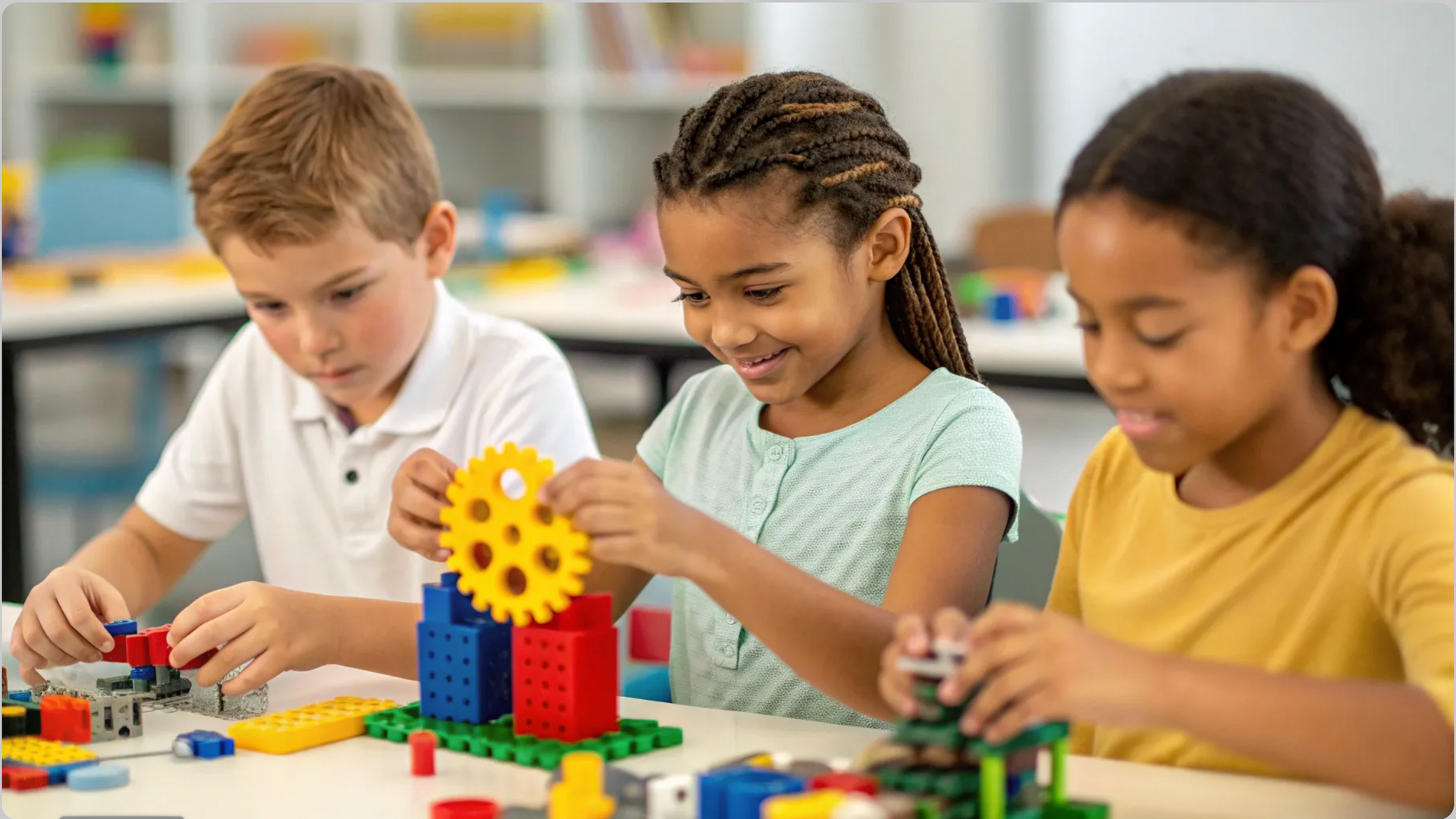
At STEAMLabs Kids, we've seen this play out in our own labs. When a child is designing a bridge, the engineering challenge and the aesthetic choices aren't separate problems. They're the same problem. Art teaches children to see that.
What About Coding?
Coding programs have exploded in popularity over the last decade, and we understand the appeal. Learning to code feels concrete, measurable, and future-focused.
But here's the thing: no single skill — coding, robotics, or any other technical specialty — will be enough on its own to guarantee a child's future success. Especially in the middle of an AI revolution that is reshaping what "technical skill" even means.
The jobs your child will hold may not exist yet. The problems they'll solve haven't been defined yet. What prepares a child for that future isn't mastery of one tool — it's the ability to think flexibly, connect ideas across disciplines, communicate clearly, and approach unfamiliar challenges with curiosity rather than anxiety.
Those are STEAM outcomes.
Why We Teach All Five Disciplines
Young minds are naturally curious about everything, and we think their learning should reflect that. At STEAMLabs Kids, our program spans all five STEAM disciplines because exposing kids to a wide variety of subjects early on helps them discover interests and strengths they might never have found otherwise.
Rather than narrowing focus too soon, we give children the chance to explore broadly, make unexpected connections between disciplines, and develop the kind of flexible thinking that serves them for life.
We're returning to the very ideal that gave birth to the modern university: the development of well-rounded, intellectually versatile individuals. In a world increasingly shaped by AI, that kind of versatility isn't a luxury — it's the edge.
What This Looks Like in Our Labs
In a typical STEAMLabs Summer Camp session, your child might spend the morning engineering a structure, the afternoon exploring the physics behind it, and wrap up the day sketching design improvements. Science, engineering, and art — woven together naturally, the way real-world problems actually work.
No worksheets. No lectures. Just kids building, testing, and discovering.
Ready to see STEAM in action?
Our hands-on labs for K–6 kids in El Dorado Hills are open for enrollment. Whether you're looking for weekly classes, a summer camp experience, or a fun Parent Night Out option, we'd love to have your child join us.